Kai Peters · 1 September 2026
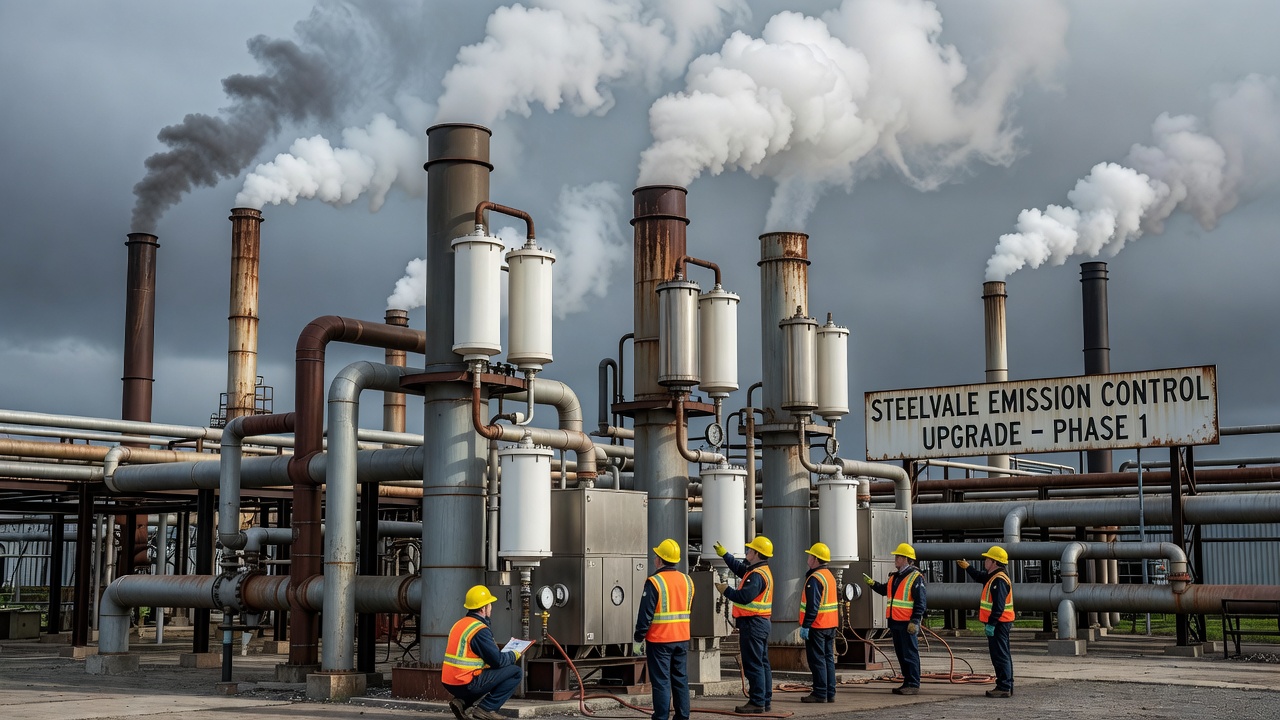
The steel industry in Steelvale is undergoing major adjustments due to newly implemented environmental regulations designed to curb pollution from manufacturing processes. These rules target high levels of carbon dioxide and other emissions produced by steel plants, mandating adoption of cleaner technologies and stricter monitoring protocols across all facilities.
Details of the New Regulations
Under the new framework all Steelvale facilities must install state-of-the-art scrubbers and transition to electric arc furnaces where feasible. Compliance deadlines are set for the end of the decade with interim targets to ensure steady progress. Industry experts note that these measures align with national goals to achieve net zero emissions by 2050. Plant operators have expressed concerns over the costs involved estimating upgrades at several million pounds per facility. Government support in the form of grants and tax incentives is being offered to ease the transition. Additional requirements include real-time emissions reporting and annual audits by independent bodies to verify reductions. Failure to meet targets could result in substantial fines and operational restrictions.
Economic and Operational Impacts
The regulations are expected to lead to increased production costs potentially affecting the competitiveness of Steelvale steel on the global market. However proponents argue that long-term benefits include improved public health and environmental sustainability. Local communities have welcomed the changes hoping for reduced air pollution. Employment in the sector may see shifts as new skills in green technology become necessary. Training programs are being established to prepare workers for these roles. Overall the steel industry is adapting to meet these challenges while maintaining output levels through efficiency gains and innovation investments. Supply chain adjustments are also underway as suppliers adapt to new material standards.