Ulrich Schmidt · 1 September 2026
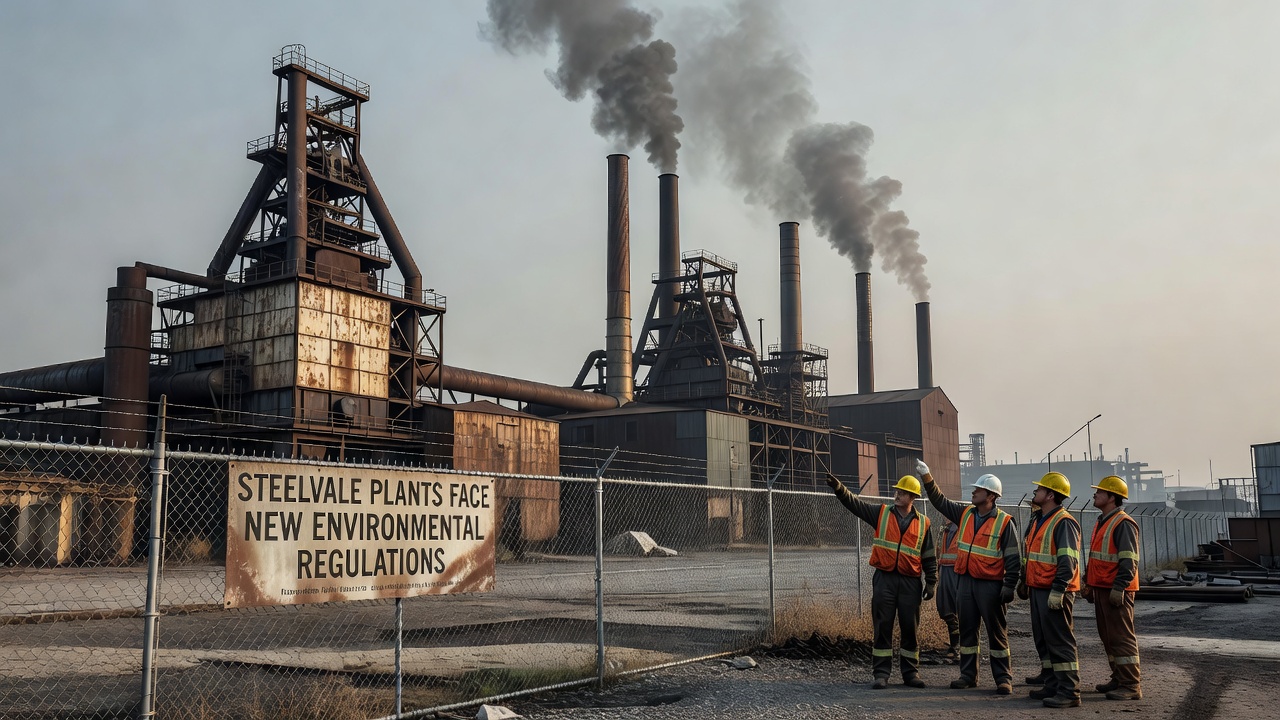
Steel producers in Steelvale are adjusting operations following the introduction of updated environmental regulations designed to lower industrial emissions. The measures target carbon output, waste management and water usage at major facilities across the region.
Compliance Measures and Plant Adjustments
Facilities must install advanced filtration systems and real-time emission monitors within the next eighteen months. Regular third-party audits will verify adherence, with penalties including fines up to five percent of annual revenue for violations. Several plants have begun retrofitting equipment to meet the stricter thresholds on particulate matter and greenhouse gases.
Operational changes include revised production schedules to reduce peak energy demand and increased recycling of process water. Managers report that initial investments in technology upgrades are substantial, yet necessary to avoid future restrictions. Training programs for staff on new reporting protocols have also been rolled out.
Industry Outlook and Economic Effects
Analysts expect higher production costs to influence steel pricing in domestic markets over the coming year. Smaller operators may consolidate or seek efficiency partnerships to manage compliance expenses. Larger firms are exploring carbon capture pilots as a long-term strategy to exceed baseline requirements.
Supply chain partners are monitoring the situation closely, as delays in certification could affect delivery timelines. Government incentives for green technology adoption are under discussion to offset some financial pressures. Overall, the regulations signal a shift toward sustainable practices that could reshape Steelvale's position in the national steel sector.
Stakeholders continue to review detailed guidance documents released by regulatory authorities. Early data from pilot sites indicate measurable drops in emissions after partial implementation, suggesting the rules may achieve intended environmental gains if scaled effectively across all plants.